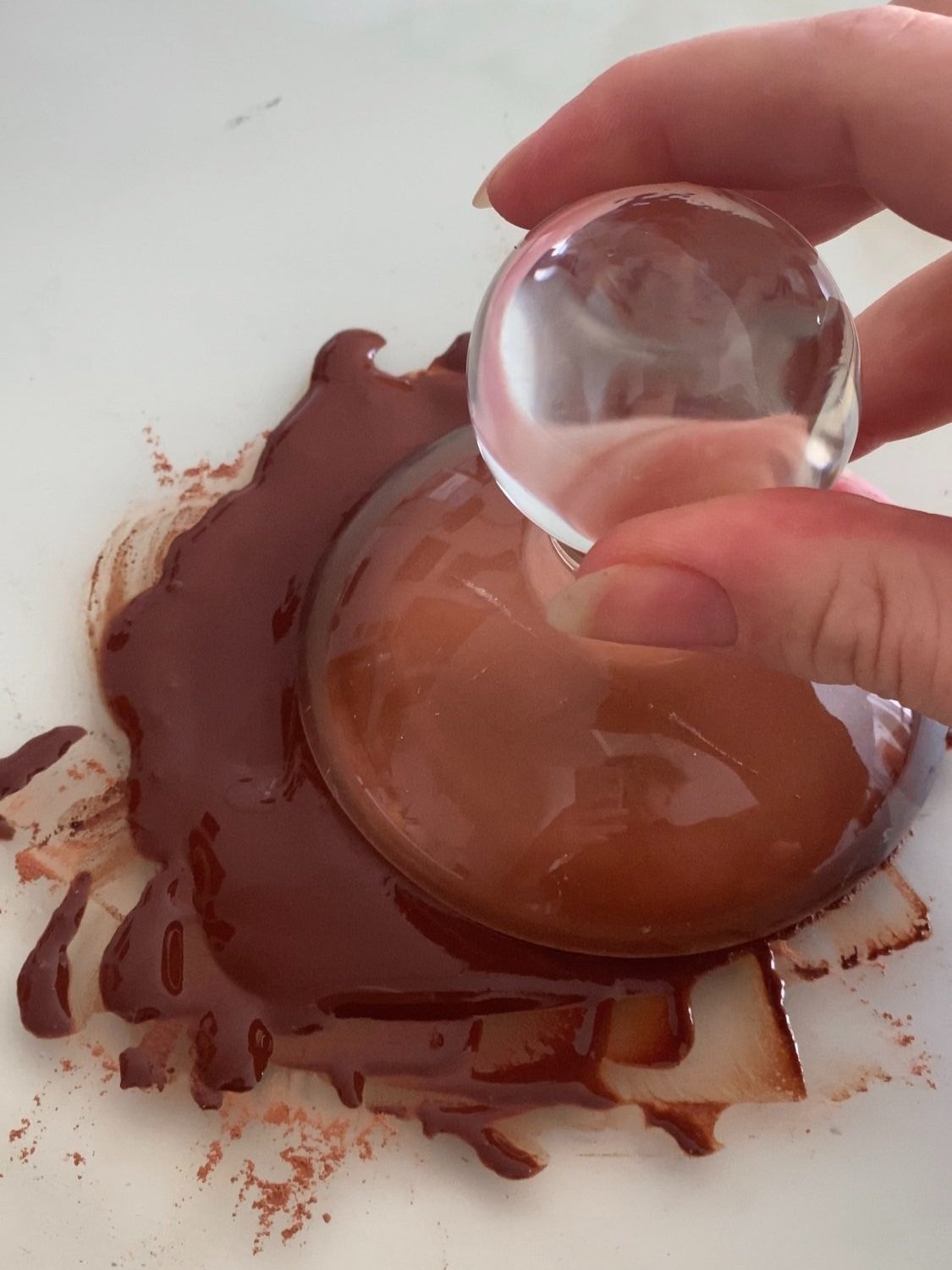
2 Day Natural Paint Making Workshop: Oil
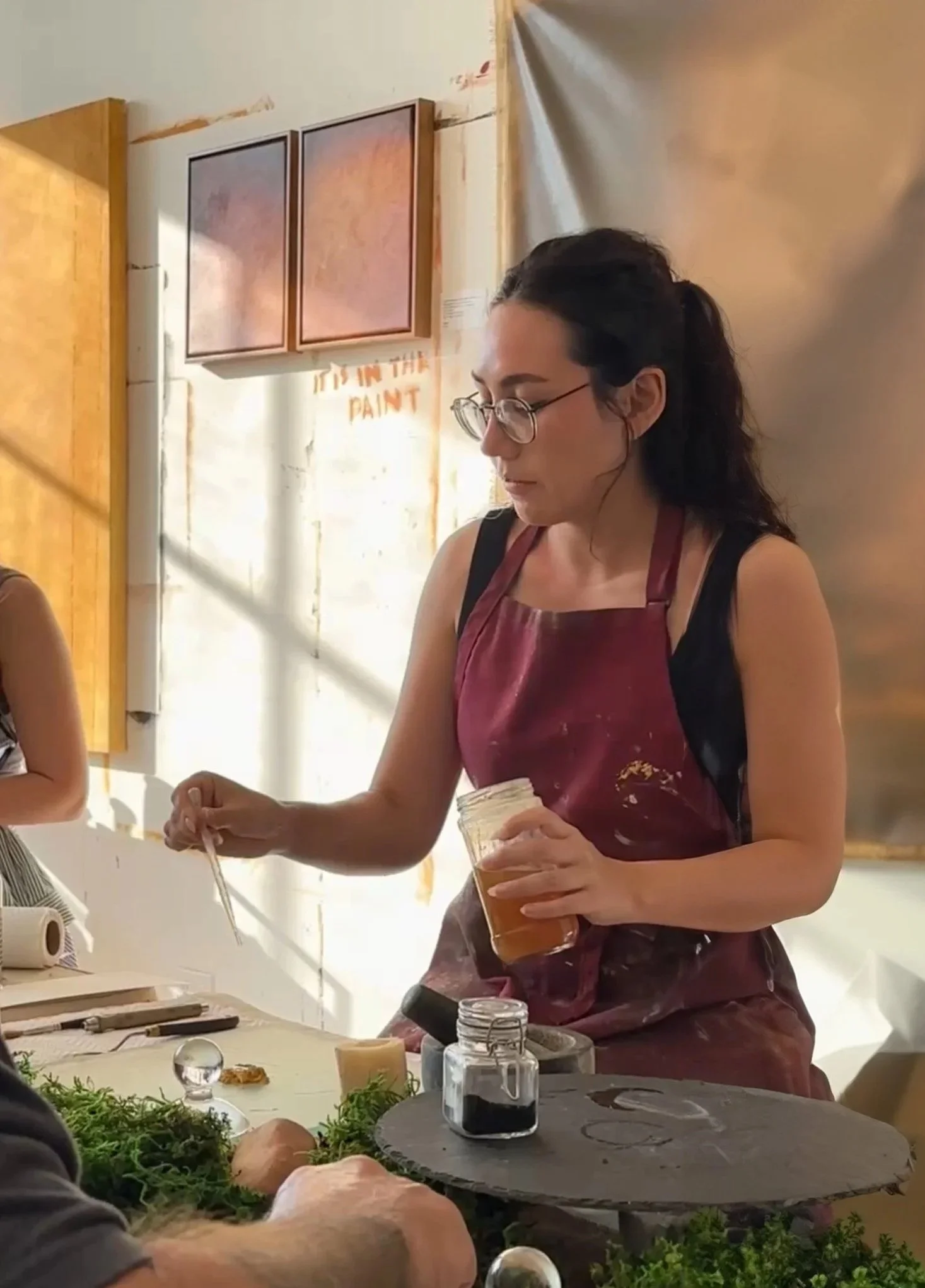
This is an immersive, hands on workshop centered on the practice of creating oil paint from locally foraged natural earth pigments. Rooted in traditional pigment making methods, oil painting offers a rich, tactile way of working with color, one that emphasizes depth, longevity, and connection to your materials. In this workshop, participants will learn how raw earth minerals are transformed into fine artist pigments and bound into professional grade oil paint.
Through guided pigment foraging in the Los Angeles mountains, followed by step by step pigment processing and oil paint making instruction, participants will create their own handmade oil paints and curate a personal, earth based palette. The workshop concludes with a painting session using the colors made directly from the land, allowing participants to experience oil painting as both a technical craft and a slow, contemplative creative practice rooted in place.
No prior experience necessary. All backgrounds are welcome, 18+.
This workshop is currently open for priority registration. Placing a deposit secures your spot and allows workshop dates to be scheduled based on participant availability. Once dates are announced, you’ll be invited to confirm your registration. If the dates don’t work for you, your deposit is fully refundable.
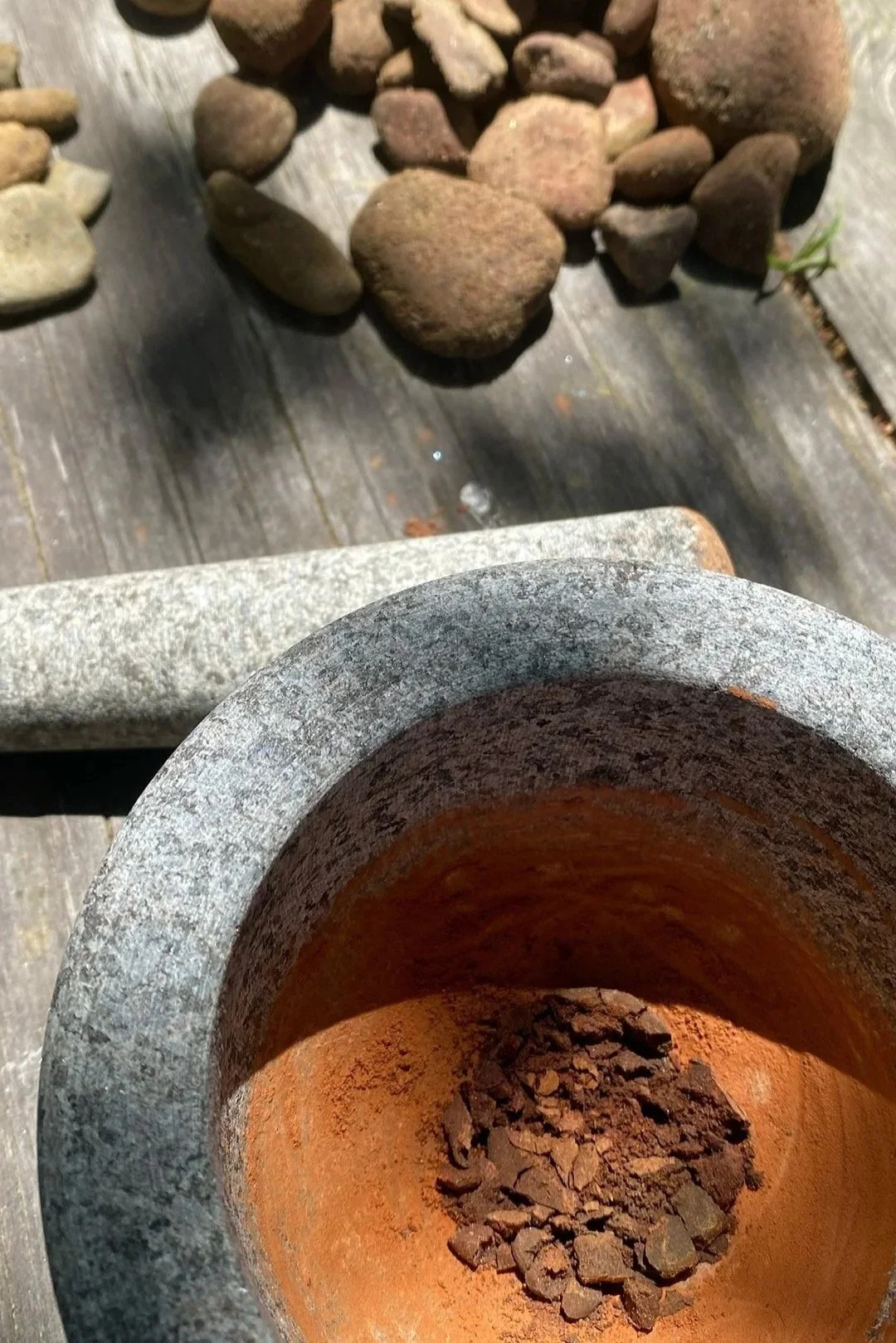
A Brief History of Oil Paint
Before paint was commercialized and processed by large, industrial mills, the artist’s studio functioned as a collective system, with clearly defined roles passed down through apprenticeships. The newest assistant’s responsibility was to go out into the world and find color, gathering earth, stones, insects, plants, and other organic matter, and bring them back to the studio. Under the guidance of more experienced assistants, they learned how to wash, grind, and refine these materials into pure pigments.
The next assistant up would then transform those pigments into paint, carefully binding color with different mediums. Others prepared canvases, mixed grounds, laid out brushes, and organized the studio so that when the master painter arrived, everything was ready. Often, large portions of a painting like backgrounds, underpaintings, and architectural elements were completed before the master ever touched the surface. The final figure or portrait, painted by the master painter, was who ultimately signed the work.
As a result, many historical paintings were shaped by multiple artists, even though only the master’s name was attached to the piece. Authorship was earned through mastery and years of learning.
Today, with paint commercially produced and removed from the studio process, Júlia believes there has been a profound disconnect between artists and the material origins of color. Not only has the consistency of paint been changed due to added fillers and petrochemicals, but our relationship to the our materials has been impacted as well. By returning to traditional methods of pigment foraging and paint making, Júlia seeks to restore an intimate relationship between land, material, and artistic practice in order to reclaim a slower, more intentional way of working that honors the history of the medium.
Day One: Foraging & Pigment Processing
Saturday, dates to be announced
-
Workshop participants will check in at the designated meeting location.
Exact location details will be shared after booking and again closer to the workshop date. Please arrive a few minutes early to settle in and meet the group.
Designated location will be within a 20 mile radius of DTLA.
-
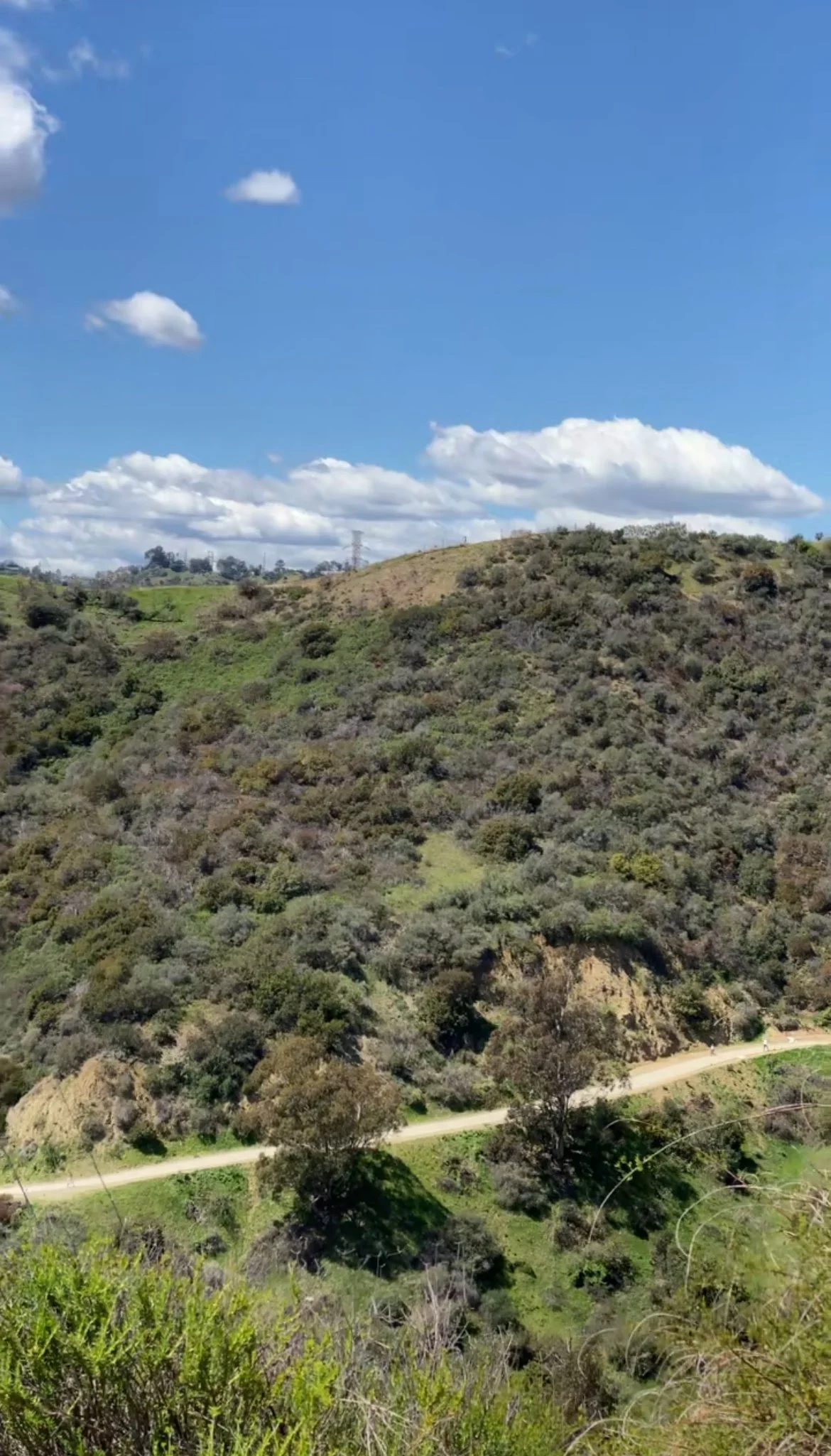
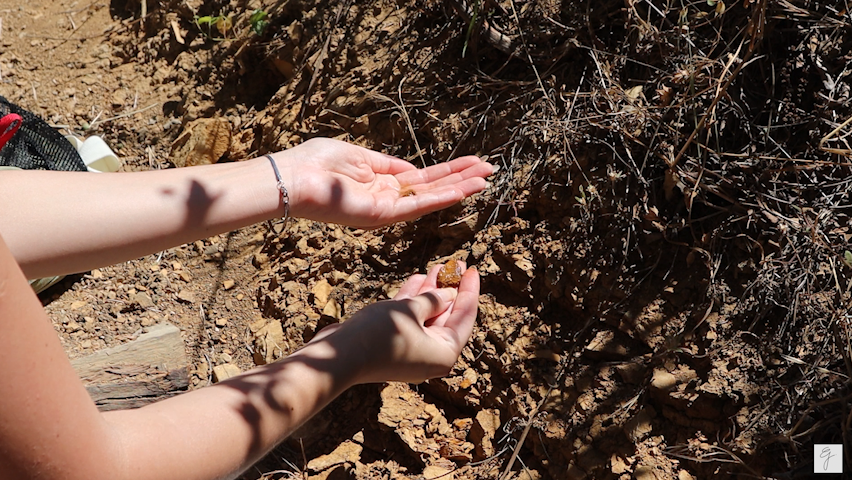
We’ll begin with a gentle group hike through the Los Angeles mountains.
Júlia will guide you through:
How to identify earth pigments in the landscape.
What textures, colors, and formations to look for.
Ethical and responsible foraging practices.
Together, we’ll collect raw earth to process into pigments.
This hike is paced slowly, with plenty of time for observation and questions.
-
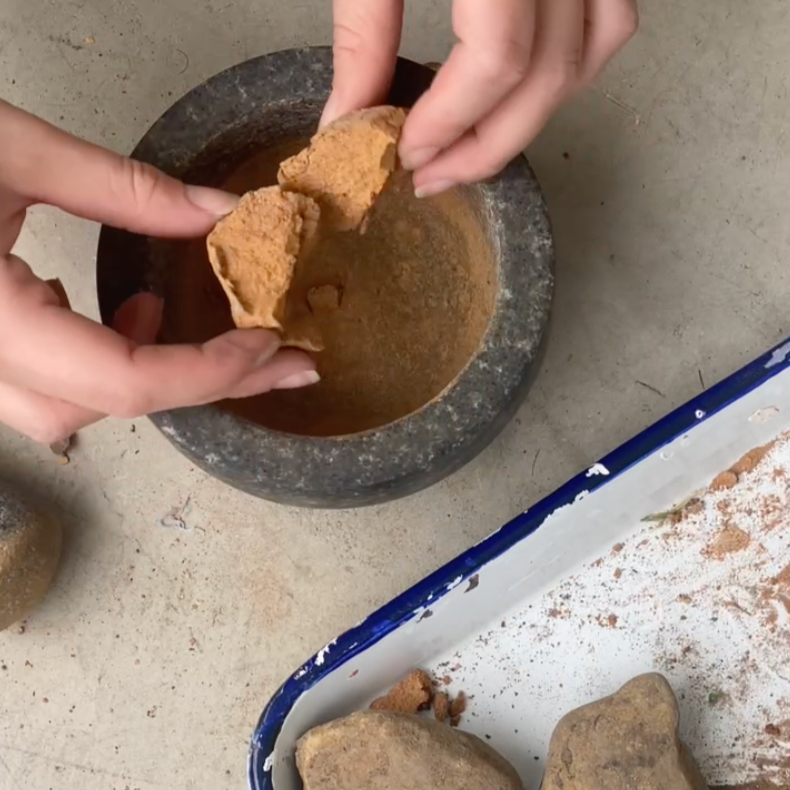
We’ll return to our base camp and begin processing our raw materials into usable artist grade pigments.
You’ll learn:
Initial cleaning and preparation of raw earth.
Breaking down material into workable pigment.
Understanding particle size and pigment quality.
How different soils behave during processing.
This is a hands on, tactile session where you’ll begin to see color emerge from the raw material you collected.
Please note: the course fee does not include personal materials. While Júlia will have supplies for you to use during the class, a full materials list will be sent after booking so you can come prepared.
-
This session is dedicated time to:
Continue processing your pigments.
Ask questions, take notes, and troubleshoot.
Work at your own pace with guidance.
-
We’ll close the day with a short group reflection.
Each participant will be invited to:
Share one color or material they’re most excited to turn into paint.
Note any curiosities, surprises, or questions that came up during the process.
Set an intention for Day Two.
This is a gentle, grounding close to the day and helps integrate what you’ve learned before moving into paint making.
Day Two: Making Oil Paint & Painting
Sunday, dates to be announced
-
Participants will check in at a predetermined location. Exact address, directions, and access details will be shared after registration and again closer to the workshop date.
-
We’ll begin by organizing and preparing the natural pigments you processed on Day One.
You’ll learn:
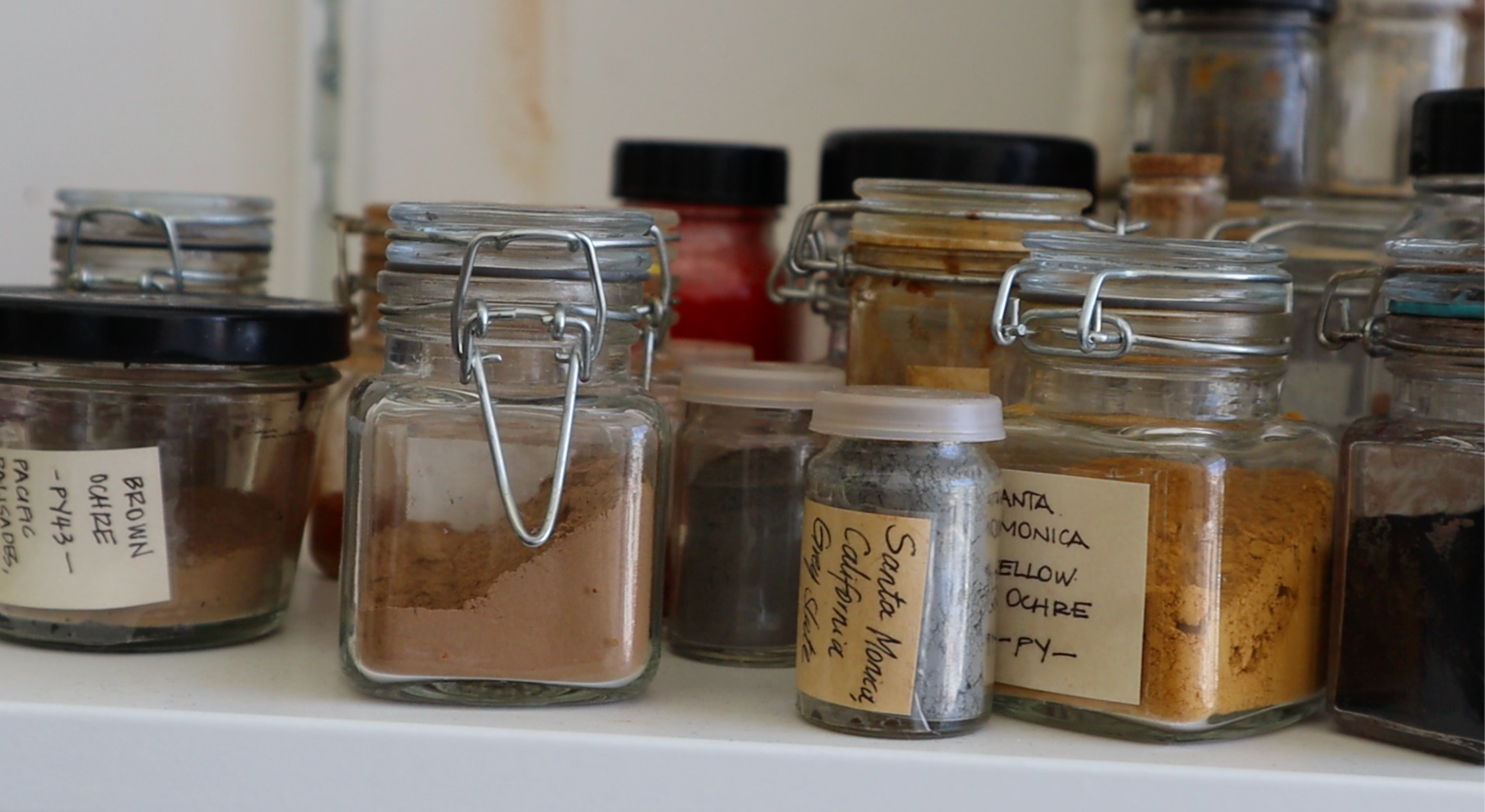
How to properly dry, store, and label handmade pigments.
Basic color identification and naming.
How to keep notes for future use and consistency.
How pigment origin and processing affect color behavior.
-
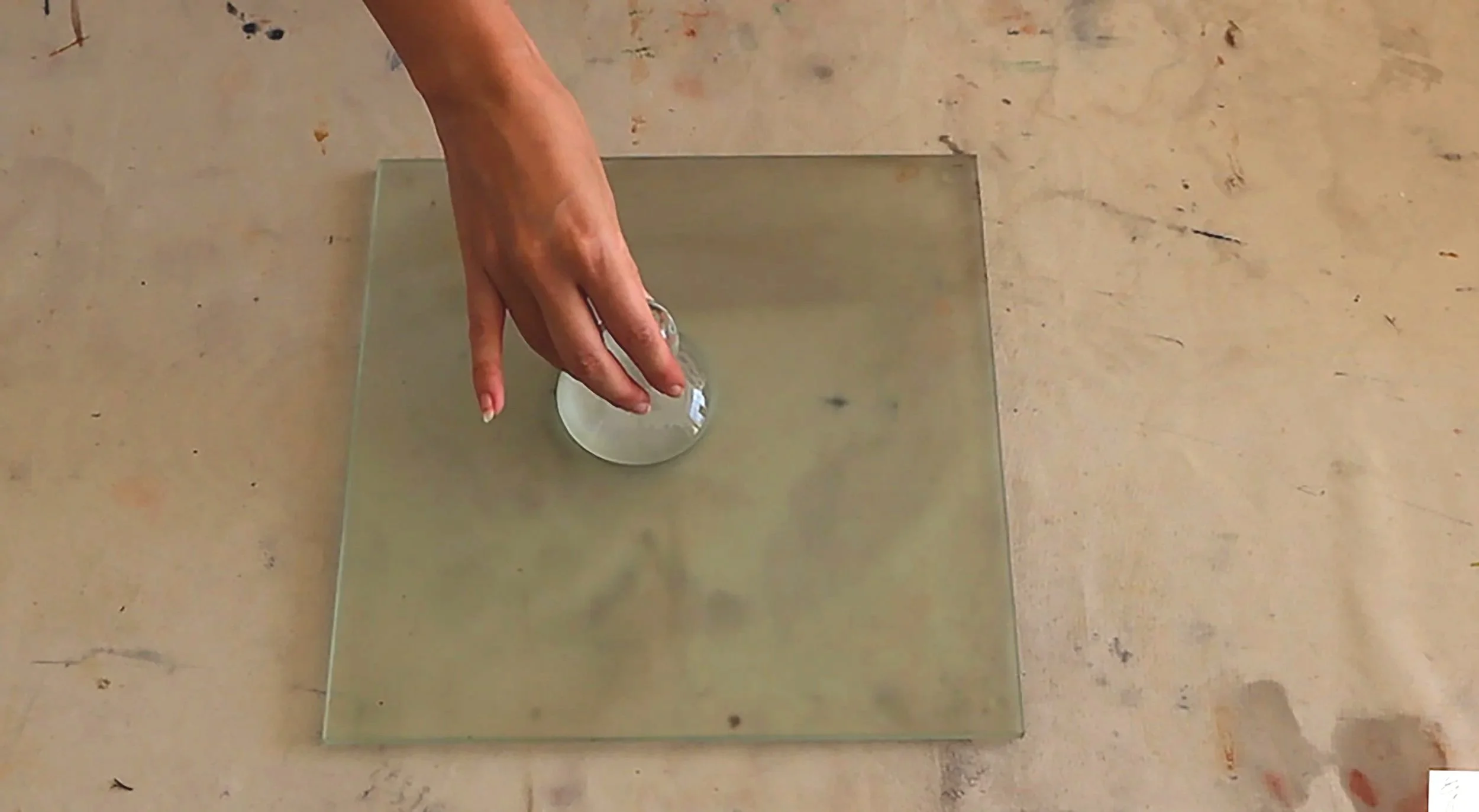
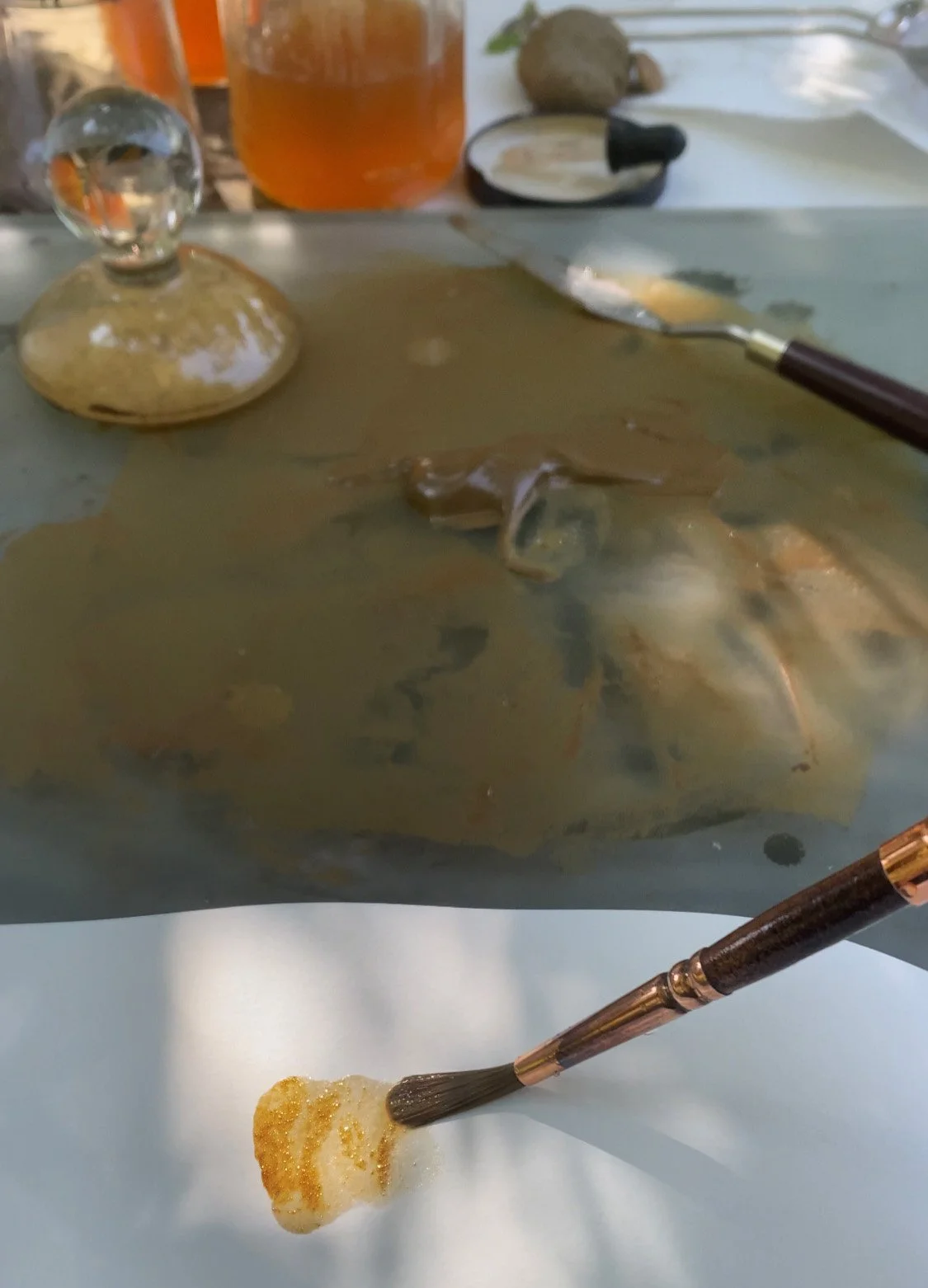
Participants will mix their own oil paint using the pigments they created.
You’ll learn:
Proper pigment to binder ratios.
How to mix paint to the correct consistency.
Methods of storing oil paint.
Common mistakes and how to troubleshoot them.
-
We’ll move into painting where Júlia will guide the group through:
Oil painting techniques.
Brush handling and mark making.
How natural pigments behave differently than commercial paints.
Introduction to mediums, binders, color temperature, and transparency.
Basic color theory.
This is an intuitive, exploratory session focused on relationship rather than perfection.
-
We’ll close the workshop with safe cleaning methods and a final reflection.
Participants will be invited to:
Share a painting or color that surprised them.
Reflect on how working with handmade pigments shifted their relationship to painting.
Ask final questions about continuing the practice at home.
You’ll leave with:
Natural pigments and oil paint tubes with your handmade colors.
Foundational natural paint making knowledge.
A deeper connection to your materials and process.

Materials
Participants are required to bring all materials needed for pigment foraging, processing, and oil paint making. Júlia recommends the Paint Mixing Tools Kit from Natural Earth Paint, a woman owned company based in the United States that supplies high quality tools for traditional and natural paint making. Purchasing through this link supports Júlia’s work through a small commission, at no additional cost to you. A more in depth materials guide with additional specifications and links will be shared after registration.
WHAT TO BRING
For Pigment Making & Painting
Sketchbook
Primed canvas panels
Pencil
Oil Brushes
Mediums and solvents
Small jars or containers for storing pigment
Fine mesh sieve
Quart size containers
Filters
Palette
Muller and Mulling Slab (See the Paint Mixing Tools Kit)
Stone mortar and pestle (available to borrow at the studio or you can bring your own)
For Foraging & Outdoor Time
Water bottle
Exercise clothes and shoes suitable for a light hike
Sunscreen
Snacks
Reusable bag or plastic grocery bags
Still have questions? Take a look at the FAQ or reach out to the studio anytime. If you’re feeling ready, go ahead and register for a workshop.
-
This listing is for a 50% deposit. The remaining balance will be due two weeks before the workshop begins.
-
Dates will be announced once minimum enrollment is reached. Participants who have placed a deposit will be notified first and given priority in selecting from available Spring dates.
A small selection of Spring dates will be offered with class taking place on a Saturday and Sunday, allowing participants to choose the option that best fits their schedule while keeping the workshops intimate and intentional.
-
Yes. There is free parking at the foraging location on Day One. The exact location and details will be shared after registration.
Day Two takes place on a Sunday, when street parking in Los Angeles is free. -
No. Transportation and lodging are the responsibility of each participant and are not included in the workshop.
-
Workshops are intentionally small. There will be a maximum of 8 participants to allow for individual guidance and a supportive, hands on learning experience.
-
Absolutely not! This workshop is open to creatives of all levels, as well as anyone curious about traditional painting materials and process.
-
Due to how much time and specialized preparation goes into each class, cancellations are not accepted at this time. Please reach out to the studio at hello@juliagodoystudio.com in case of emergency and the balance of the Workshop may be applied to a future course depending on individual circumstances.